Mobile / WhatsApp
E-mail
Table of Contents
Acrylic sealant is better for dry indoor gaps that need painting, while silicone sealant is better for waterproof, flexible, wet-area, exterior, glass, and metal sealing.
The right choice depends on the project environment. Acrylic sealant is mainly used for paintable indoor finishing, such as wall gaps, baseboards, trims, crown molding, and drywall cracks. Silicone sealant is mainly used for waterproof and flexible sealing, especially where the joint faces moisture, movement, temperature change, or outdoor exposure.
Acrylic sealant is better when the joint needs a smooth, paintable indoor finish. Silicone sealant is better when the joint needs waterproofing, flexibility, outdoor durability, or strong adhesion to non-porous surfaces such as glass, ceramic, and metal.
Simple selection rule: use acrylic sealant for dry, paintable, low-movement indoor gaps; use silicone sealant for wet, flexible, exterior, glass, metal, kitchen, and bathroom joints.
Many users choose the wrong sealant because they only compare material names. A more reliable method is to ask what the joint must do after application: Will it be painted? Will it contact water? Will it move? Is it exposed to sunlight or outdoor weather? Is the surface porous or non-porous? These questions decide the better product direction.
Acrylic sealant should be used for dry indoor gaps that need a neat, paintable finish. It is suitable for baseboards, skirting boards, crown molding, door frames, interior window trims, drywall cracks, plaster gaps, ceiling joints, and decorative seams before painting.
Acrylic sealant can usually be painted after drying, so it is useful for indoor wall repair, trim finishing, and decorative seams that need to blend into the surface.
Acrylic sealant is usually easy to apply and tool. Uncured material can often be cleaned with water, making it practical for painters, decorators, and indoor finishing work.
Acrylic sealant is commonly used on porous or painted interior materials such as drywall, plaster, wood trim, and wall surfaces.
Acrylic sealant performs best in dry indoor gaps with limited movement. It is not designed as a long-term solution for constant water or heavy joint expansion.
Acrylic sealant is sometimes called decorators caulk because its main value is clean interior finishing. Its limitation is clear: it can harden, shrink, or crack when used in constantly wet areas, high-movement joints, or harsh outdoor environments.
Silicone sealant should be used when the joint needs waterproofing, long-term flexibility, weather resistance, or adhesion to non-porous surfaces. It is more suitable for bathrooms, kitchens, sinks, tubs, showers, glass, metal, ceramic, exterior windows, doors, siding, and weather-exposed gaps.
| Application Area | Why Silicone Sealant Fits Better | Selection Reminder |
|---|---|---|
| Bathrooms, showers, and tubs | These areas need waterproof sealing and flexibility under regular moisture exposure. | Use sanitary silicone where mildew resistance is required. |
| Kitchens and sinks | Kitchen seams face water, oil, wiping, and cleaning products. | Choose a formula suitable for kitchen and countertop joints. |
| Glass, ceramic, and metal | Silicone sealant usually bonds better to non-porous surfaces and remains elastic after curing. | Use neutral cure silicone for sensitive metals, masonry, or cement-based surfaces when needed. |
| Exterior windows and doors | These joints may face rain, sunlight, temperature changes, and joint movement. | Exterior-facing joints usually need a weather-resistant silicone sealant. |
| Outdoor siding and exposed gaps | Outdoor seams need resistance to rain, UV exposure, expansion, and contraction. | Do not replace exterior silicone sealing with acrylic unless the product is designed for that use. |
Silicone sealant is selected for performance-driven sealing. Its main limitation is that most standard silicone sealants are not paintable. It can also be harder to tool and clean than acrylic, so surface preparation, masking, and correct application tools matter more.
The key differences between acrylic sealant and silicone sealant are paintability, water resistance, flexibility, surface compatibility, outdoor durability, cleanup, and cost. Acrylic is mainly for paintable indoor filling. Silicone is mainly for waterproof and flexible sealing.
| Feature | Acrylic Sealant | Silicone Sealant | Better Choice |
|---|---|---|---|
| Paintability | Usually paintable after drying. | Usually not paintable unless specially formulated. | Acrylic sealant |
| Best use area | Indoor trims, wall gaps, ceilings, baseboards, drywall cracks. | Wet areas, kitchens, bathrooms, glass, metal, windows, outdoors. | Depends on project condition |
| Water resistance | Moderate; not suitable for constant water or submerged areas. | Excellent for moisture-resistant and waterproof sealing. | Silicone sealant |
| Flexibility | Low to moderate; better for static or limited-movement gaps. | High; better for moving joints and expansion gaps. | Silicone sealant |
| Surface compatibility | Better for many porous indoor surfaces such as drywall, plaster, and wood trim. | Better for many non-porous surfaces such as glass, ceramic, metal, and some plastics. | Depends on substrate |
| Outdoor durability | Limited unless the product is designed for exterior use. | Better for rain, sunlight, and temperature changes. | Silicone sealant |
| Cleanup during application | Uncured acrylic is usually easier to clean with water. | Uncured silicone usually needs a suitable cleaner; cured silicone is harder to remove. | Acrylic is easier for indoor finishing work |
This comparison gives a clear selection direction. Acrylic sealant is for visible indoor finishing and painting. Silicone sealant is for waterproof, flexible, and weather-exposed sealing.
Siliconized acrylic is not the same as silicone sealant. It is still mainly an acrylic-based product, but with added silicone-related modification to improve flexibility or adhesion. It may perform better than basic acrylic in some moderate-use areas, but it should not be treated as a full replacement for sanitary silicone or exterior silicone.
It can still be paintable in many formulations, making it useful for interior finishing where some added flexibility is needed.
It may improve adhesion compared with basic acrylic sealant on some surfaces.
It is not equal to 100% silicone for shower, bathtub, sink, or long-term wet sealing.
It should not replace exterior silicone when maximum weather resistance and movement capability are required.
For buyers, the safest way to understand siliconized acrylic is simple: it is an improved acrylic option, not a silicone sealant substitute for demanding wet or outdoor joints.
Acrylic sealant cannot always replace silicone sealant because the two products solve different problems. Acrylic is mainly for paintable filling, while silicone is mainly for flexible waterproof sealing. Replacing one with the other can cause cracking, poor adhesion, water leakage, or an unfinished surface.
Do not use acrylic instead of sanitary silicone in shower rooms, bathtub edges, sink joints, or constantly wet seams.
Do not use standard silicone instead of acrylic if the surface must be painted after sealing.
Do not use acrylic for high-movement exterior joints unless the product is clearly made for that application.
Do not ignore substrate compatibility because porous surfaces and non-porous surfaces often need different sealant choices.
Do not choose only by price because the wrong sealant can create repair costs later.
They may overlap in a few dry indoor gaps, but they are not universal substitutes. If the surface must be painted, acrylic is usually better. If the joint must stay waterproof and flexible, silicone is usually better.
To choose between acrylic and silicone sealant, start with the project requirement instead of the product name. Focus on location, moisture level, joint movement, paint requirement, substrate type, cleanup needs, and expected durability.
| Project Question | Recommended Direction | Reason |
|---|---|---|
| Will the joint be painted later? | Acrylic sealant | It is more suitable for paintable indoor finishing. |
| Will the joint contact water often? | Silicone sealant | It is better for waterproof and moisture-resistant sealing. |
| Is the gap indoors and low movement? | Acrylic sealant | It works well for dry indoor gaps and decorative filling. |
| Is the joint outside or weather-exposed? | Silicone sealant | It is usually better for rain, sunlight, movement, and temperature change. |
| Is the substrate glass, metal, ceramic, or plastic? | Silicone sealant | It is commonly used for non-porous surfaces and flexible sealing. |
| Is the substrate drywall, plaster, or wood trim? | Acrylic sealant | It is more suitable for paintable interior gap filling on common porous surfaces. |
| Is easy cleanup important during indoor work? | Acrylic sealant | Uncured acrylic is usually easier to clean with water during application. |
For most projects, the decision is straightforward. Use acrylic sealant when the job is about indoor filling, easy finishing, and painting. Use silicone sealant when the job is about waterproofing, flexibility, non-porous surfaces, and long-term exposure. This selection logic helps avoid using acrylic where sanitary silicone is needed or using silicone where a paintable finish is required.
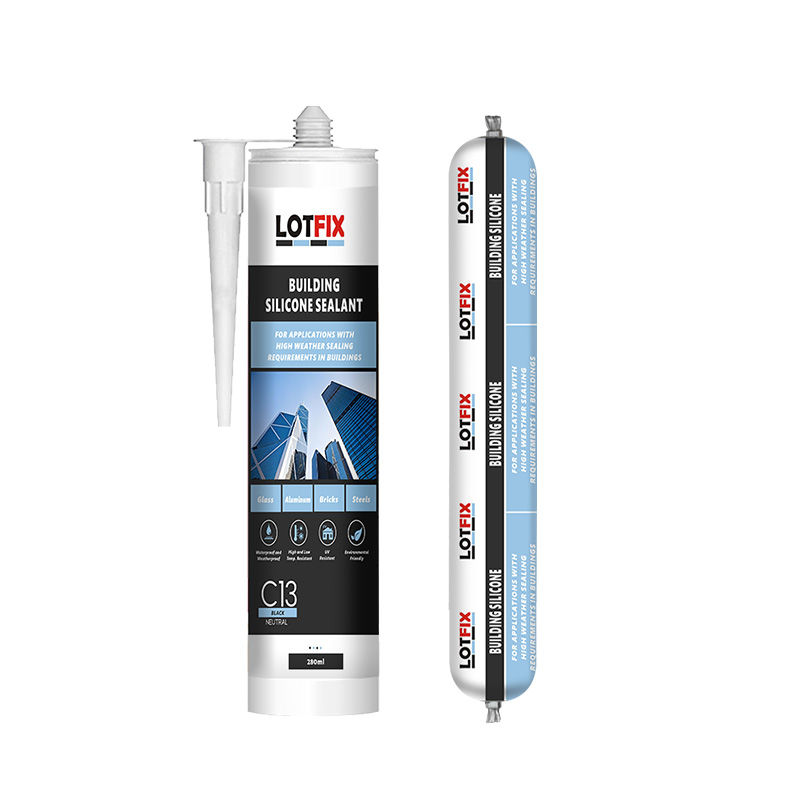
LOTFIX provides acrylic sealant, silicone sealant, PU foam, adhesive, and related construction material solutions for sealing, filling, bonding, insulation, and installation applications. If you are comparing products for interior wall gaps, bathroom seams, kitchen joints, glass sealing, exterior gaps, or general construction use, you can visit the LOTFIX homepage to learn more about available product categories.
If you have questions about product selection, application scenarios, or cooperation requirements, please Contact Us.