Mobile / WhatsApp
E-mail
Table of Contents
Silicone sealant is one type of sealant, not the opposite of regular sealant; it is mainly used for flexible, waterproof, weather-resistant, glass, metal, kitchen, bathroom, and exterior joints.
In construction and repair projects, “regular sealant” usually refers to a wider group of products, such as acrylic sealant, polyurethane sealant, hybrid sealant, butyl sealant, and other general-purpose sealing materials. Each type solves a different problem. Silicone is strong in waterproofing, flexibility, UV resistance, and weather exposure, while other sealants may be better for paintability, structural bonding, abrasion resistance, or cost-sensitive indoor filling.
The main difference is that silicone sealant is a specific product category based on silicone polymer, while regular sealant is a general term for many sealant types. Silicone cures into a rubber-like elastic material, while regular sealants may be acrylic, polyurethane, hybrid, butyl, or other formulas with different performance limits.
Simple answer: use silicone sealant when the joint needs waterproofing, flexibility, UV resistance, and weather durability. Use another regular sealant when the project needs paintability, stronger bonding, abrasion resistance, or easier indoor finishing.
This is why “silicone vs regular sealant” should not be understood as “good vs bad.” It is really a question of formula and application. A bathroom joint, an interior wall crack, an industrial floor joint, and an exterior window perimeter do not need the same type of sealant.
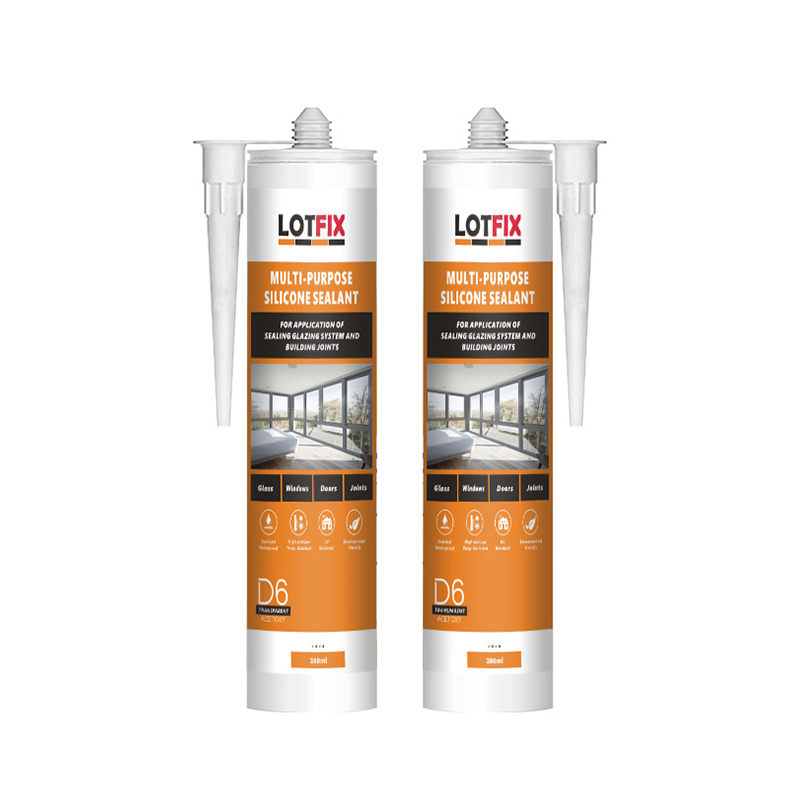
Silicone sealant is used for joints that need long-term flexibility, waterproofing, airtight sealing, and resistance to moisture, UV, and temperature changes. It is commonly used around bathrooms, kitchens, sinks, bathtubs, showers, windows, doors, glass, metal, ceramic, roofs, and exterior building gaps.
Acid cure silicone usually has a vinegar-like smell during curing. It is often used on glass, ceramic, and some non-porous surfaces, but it may not be suitable for cement, masonry, or sensitive metals.
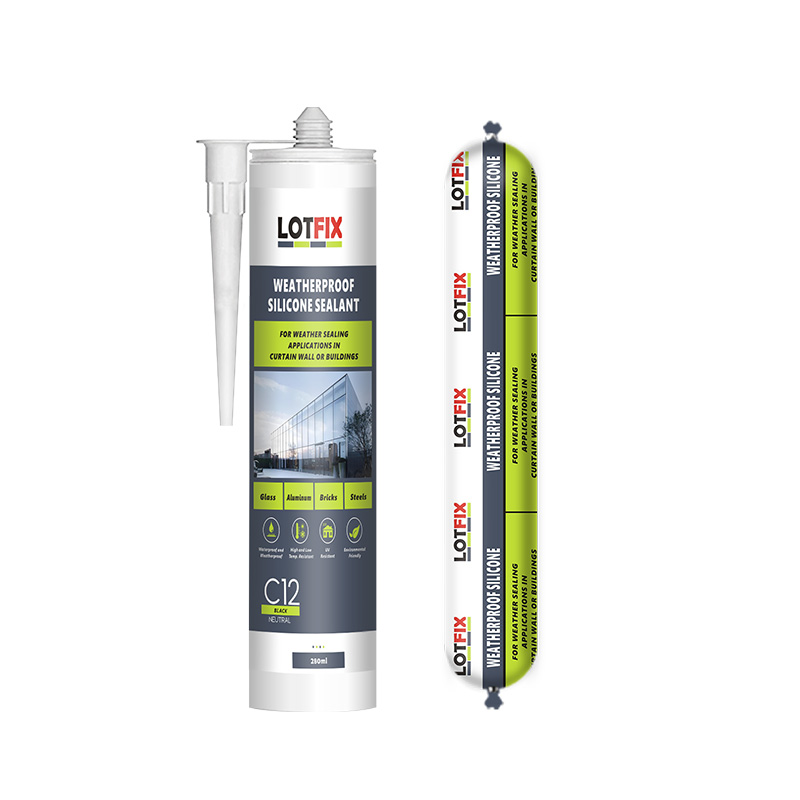
Neutral cure silicone has wider substrate compatibility and is often used for windows, doors, metal, concrete, masonry, exterior joints, and construction sealing.
Sanitary silicone is used in bathrooms, kitchens, sink edges, bathtub joints, and shower areas where moisture resistance, flexibility, and mildew resistance are important.
Silicone sealant is strong in wet and exposed areas, but it is not the best choice for every surface. Most standard silicone sealants are not paintable, and the wrong cure type may cause poor compatibility with certain substrates.
Regular sealant usually means general-purpose sealant, but it is not one fixed product. It can include acrylic sealant, polyurethane sealant, hybrid sealant, butyl sealant, and other materials used to seal gaps, joints, cracks, seams, and connections against air, water, dust, noise, or other intrusion.
| Sealant Type | Main Strength | Typical Use | Main Limitation |
|---|---|---|---|
| Silicone sealant | Flexible, waterproof, UV-resistant, weather-resistant. | Bathrooms, kitchens, glass, metal, windows, doors, exterior joints. | Usually not paintable and may have lower structural bonding strength than PU sealant. |
| Acrylic sealant | Paintable, easy to apply, easy cleanup, cost-effective. | Interior wall gaps, baseboards, drywall cracks, decorative joints. | Lower flexibility and not suitable for constant water exposure. |
| Polyurethane sealant | Strong adhesion, abrasion resistance, paintability, heavy-duty sealing. | Concrete joints, industrial floors, construction gaps, structural bonding areas. | Not always suitable for long-term immersion; UV durability depends on formula. |
| Hybrid sealant | Balanced adhesion, flexibility, weather resistance, and paintability. | Windows, doors, curtain walls, exterior gaps, general construction joints. | Performance varies by formulation, so technical data should be checked. |
| Butyl sealant | Good sealing, tackiness, and moisture barrier performance in selected applications. | Roofing, flashing, panels, some construction and automotive sealing uses. | Not suitable for all visible finish or high-movement applications. |
The term “regular sealant” can be misleading because a low-cost acrylic caulk and a high-strength polyurethane sealant are both sealants, but they are not used in the same way. A good product choice starts by identifying the exact sealant type.
Silicone sealant is better for waterproof, flexible, wet-area, glass, metal, and exterior sealing. Acrylic sealant is better for paintable indoor gaps, wall cracks, baseboards, drywall joints, ceiling gaps, and decorative seams. The choice depends on whether the joint needs water resistance or paintability.
| Comparison | Silicone Sealant | Acrylic Sealant |
|---|---|---|
| Main advantage | Waterproof sealing, flexibility, moisture resistance. | Paintable finish, easy application, lower cost. |
| Best application | Bathrooms, kitchens, glass, metal, exterior windows, wet joints. | Interior wall gaps, baseboards, drywall cracks, ceiling joints, decorative seams. |
| Paintability | Most standard silicone sealants are not paintable. | Usually paintable after drying. |
| Movement handling | Better for moving joints and expansion gaps. | Better for low-movement indoor gaps. |
| Moisture exposure | Suitable for many wet and moisture-exposed areas. | Not ideal for constant water exposure or sanitary wet joints. |
For simple indoor finishing, acrylic sealant is often more practical. For bathroom, kitchen, exterior, glass, and metal joints, silicone sealant is usually the safer choice.
Silicone sealant is usually better for weather resistance, UV resistance, temperature stability, and wet environments. Polyurethane sealant is usually better for strong adhesion, abrasion resistance, impact resistance, and paintable heavy-duty construction joints.
| Comparison | Silicone Sealant | Polyurethane Sealant |
|---|---|---|
| Main strength | Weather resistance, UV resistance, flexibility, water resistance. | High bonding strength, abrasion resistance, impact resistance, paintability. |
| Best use | Exterior windows, curtain wall joints, glass, metal, bathrooms, kitchens, wet areas. | Concrete joints, industrial floors, traffic areas, structural bonding, heavy-duty gaps. |
| Paintability | Usually not paintable. | Usually more paintable after proper curing. |
| Water exposure | More suitable for many damp or wet sealing environments. | Not always suitable for long-term immersion or constantly wet conditions. |
| Main limitation | Lower structural bonding strength than PU in some heavy-duty applications. | UV and water resistance depend strongly on formula and exposure condition. |
For outdoor joints that mainly need flexibility and weather resistance, silicone is often a strong direction. For concrete, industrial floors, and joints that need tougher bonding or abrasion resistance, polyurethane may be more suitable.
General-purpose sealants are used in construction, home improvement, automotive, appliances, electronics, and industrial assembly. Their job is usually to seal gaps, reduce air or water leakage, block dust, protect joints, reduce noise intrusion, or bond different materials together.
Sealants are used for walls, ceilings, floors, windows, doors, roofs, plumbing joints, tile areas, and connections between building materials.
For home users, sealants help repair small wall cracks, caulk around bathtubs and sinks, seal door gaps, and improve window joints.
Sealants can be used for body joints, windshields, sunroofs, panels, dust protection, water protection, and vibration reduction in selected automotive applications.
In industrial and appliance production, sealants help protect joints, reduce moisture ingress, support bonding, and improve product reliability.
These applications show why “regular sealant” must be selected carefully. A product that works for a drywall gap may not work for a moving exterior joint, and a sealant used in automotive assembly may not be suitable for a bathroom seam.
To choose between silicone sealant and other regular sealants, start with the project requirement. Check the surface material, joint movement, moisture exposure, UV exposure, paintability, bonding strength, chemical exposure, traffic load, and expected service life.
| Project Need | Recommended Sealant Direction | Reason |
|---|---|---|
| Bathroom, kitchen, sink, or shower sealing | Silicone sealant | Better for waterproof, flexible, moisture-resistant sealing. |
| Interior wall gaps that need painting | Acrylic sealant | Better for paintable dry indoor filling and decorative finishing. |
| Concrete joints or industrial floors | Polyurethane sealant | Better for bonding strength, abrasion resistance, and heavy-duty conditions. |
| Outdoor curtain wall, windows, and doors | Silicone or hybrid sealant | Better for weather exposure, movement, and long-term exterior sealing. |
| Project needs both adhesion and paintability | Polyurethane or hybrid sealant | More suitable when strength and finishing requirements must be balanced. |
The safest method is to define the job first. If the joint is wet, flexible, exposed, or installed on glass and metal, silicone is often the better choice. If the gap is indoors and needs painting, acrylic is usually more practical. If the project needs bonding strength, abrasion resistance, or concrete joint performance, polyurethane may be a better direction. If the project needs balanced weather resistance, adhesion, and paintability, hybrid sealant may be worth considering.
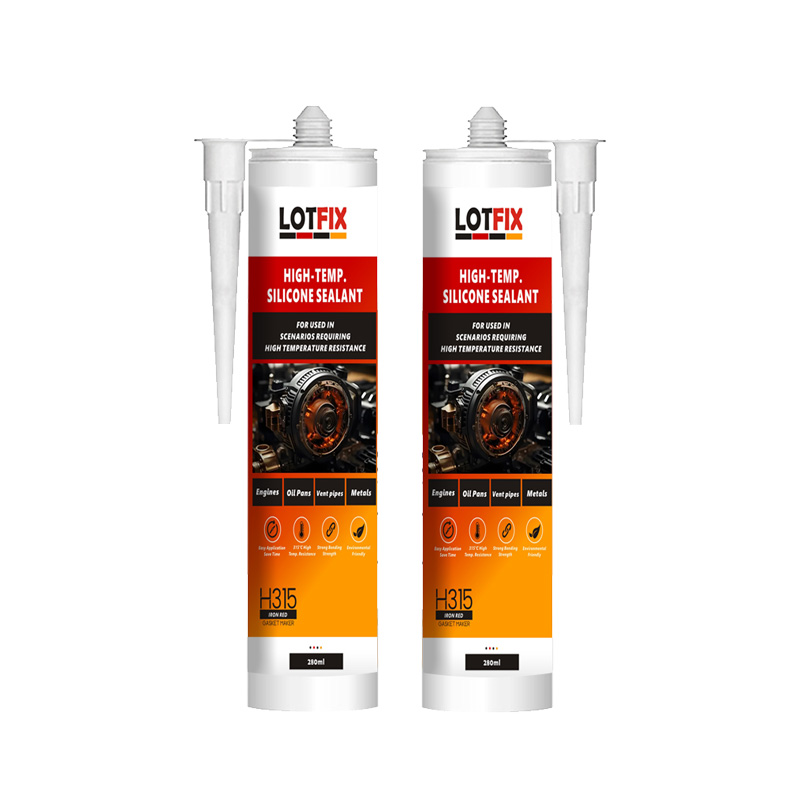
LOTFIX provides silicone sealant, acrylic sealant, PU foam, adhesive, and related construction material solutions for sealing, filling, bonding, insulation, and installation applications. If you are comparing sealants for bathrooms, kitchens, windows, doors, interior wall gaps, exterior joints, industrial gaps, or construction projects, you can visit the LOTFIX homepage to learn more about available product categories.
If you have questions about product selection, application scenarios, or cooperation requirements, please Contact Us.