Mobile / WhatsApp
E-mail
Caulk is mainly used for filling static indoor gaps, while sealant is designed for joints that need flexibility, waterproofing, weather resistance, or movement capability.
The two words are often used together, but they do not always mean the same thing. Caulk usually refers to lower-movement filling materials used around walls, trims, baseboards, ceilings, and interior gaps. Sealant is a broader and more performance-focused category, including silicone, polyurethane, hybrid, and other formulas made for waterproofing, exterior exposure, dynamic joints, or stronger adhesion.
The main difference between caulk and sealant is flexibility. Caulk is usually used to fill small static gaps where movement is limited. Sealant is used where the joint may face moisture, expansion, contraction, vibration, weather, or long-term stress.
Simple rule: use caulk for dry, paintable, low-movement indoor gaps; use sealant for waterproof, flexible, exterior, high-movement, or demanding construction joints.
This difference matters because choosing the wrong product can cause cracking, peeling, poor adhesion, water leakage, or a poor finish. A wall crack before painting does not need the same material as a bathroom joint, window perimeter, concrete expansion joint, or industrial floor gap.
The common types of caulk and sealant include acrylic caulk, acrylic sealant, silicone sealant, polyurethane sealant, hybrid sealant, and other construction sealants. Each type sealant has its own curing method, hardness, movement capability, weather resistance, and suitable application area.
| Type | Main Strength | Best Use | Main Limitation |
|---|---|---|---|
| Acrylic caulk / acrylic sealant | Paintable, easy to apply, easy cleanup, suitable for neat indoor finishing. | Wall cracks, baseboards, skirting boards, drywall gaps, ceiling lines, interior trims. | Lower flexibility and not suitable for constant water exposure. |
| Silicone sealant | Waterproof, flexible, weather resistant, suitable for wet and non-porous surfaces. | Bathrooms, kitchens, glass, metal, ceramic, windows, doors, exterior joints. | Most standard silicone sealants are not paintable. |
| Polyurethane sealant | Strong adhesion, abrasion resistance, impact resistance, and paintability. | Concrete joints, door and window frames, industrial floors, construction gaps, traffic areas. | Not always suitable for long-term immersion or maximum UV exposure unless designed for it. |
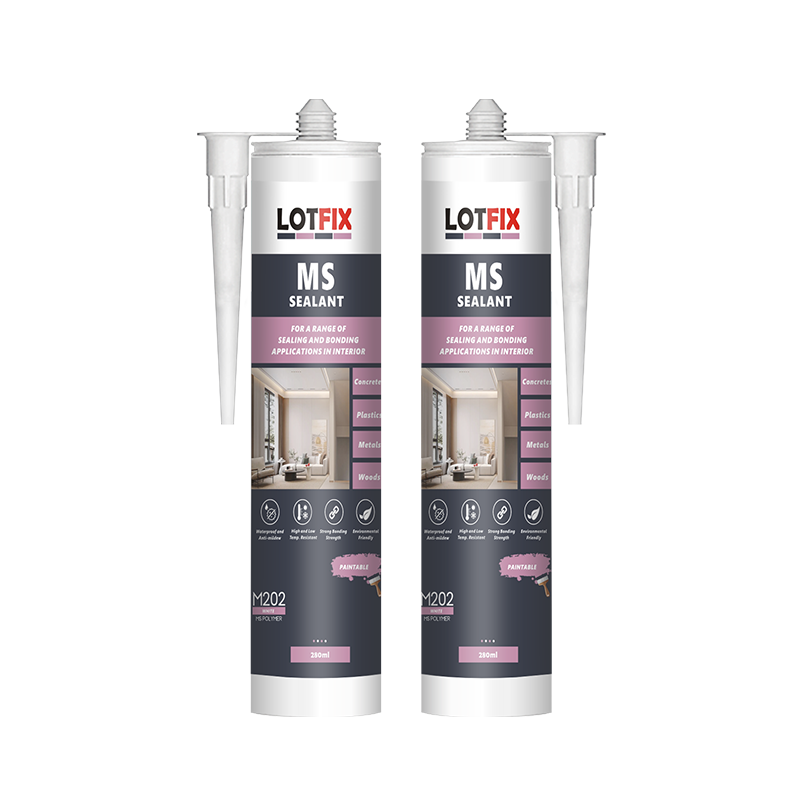
| Hybrid sealant | Balanced adhesion, flexibility, weather resistance, and paintability in many formulas. | Curtain walls, windows, doors, exterior construction joints, mixed substrate projects. | Performance depends strongly on formula, so technical data should be checked. |
The word “sealant” is not enough for correct selection. Buyers should confirm the exact type sealant, because acrylic, silicone, polyurethane, and hybrid products perform differently under moisture, movement, UV exposure, and paint requirements.
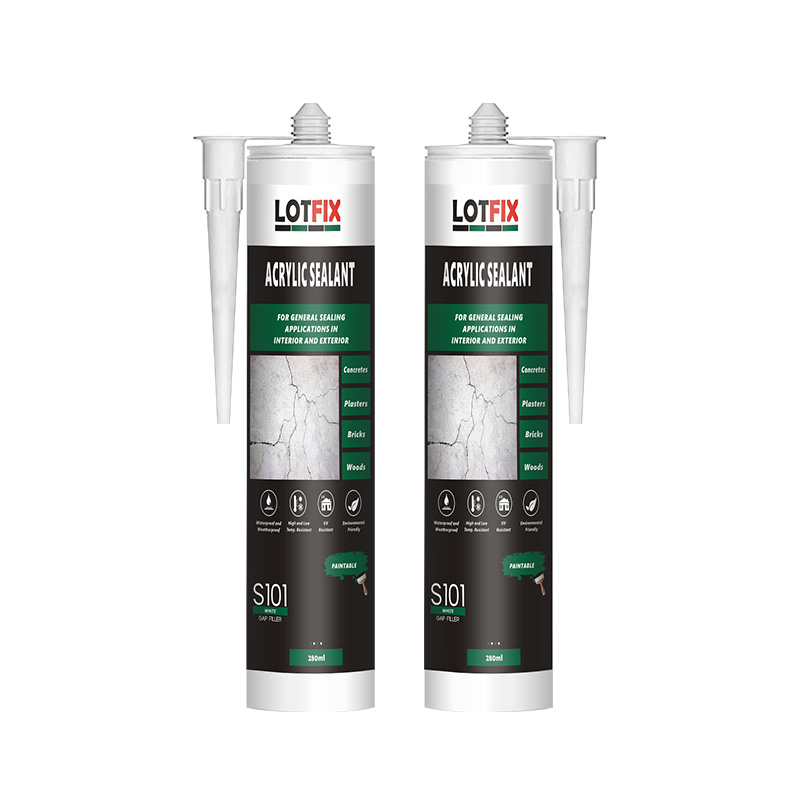
Acrylic caulk or acrylic sealant should be used for dry indoor gaps that need a paintable finish. It is suitable for interior wall cracks, drywall gaps, baseboards, skirting boards, door trims, window trims, ceiling lines, and decorative joints before painting.
Acrylic caulk can usually be painted after drying, so it is useful where the seal line must blend into walls, trims, or ceilings.
It works best where the joint is mostly static, such as small cracks, trim edges, skirting gaps, and decorative interior seams.
Acrylic caulk is usually easy to apply and tool, and uncured material can often be cleaned with water, making it practical for interior finishing.
For dry indoor repair and decorative filling, acrylic caulk is often a cost-effective choice when waterproof performance is not the main requirement.
Acrylic products should not be treated as long-term substitutes for sanitary silicone in showers, bathtubs, sinks, or constantly wet areas. They are mainly for paintable filling, not high-performance waterproof sealing.
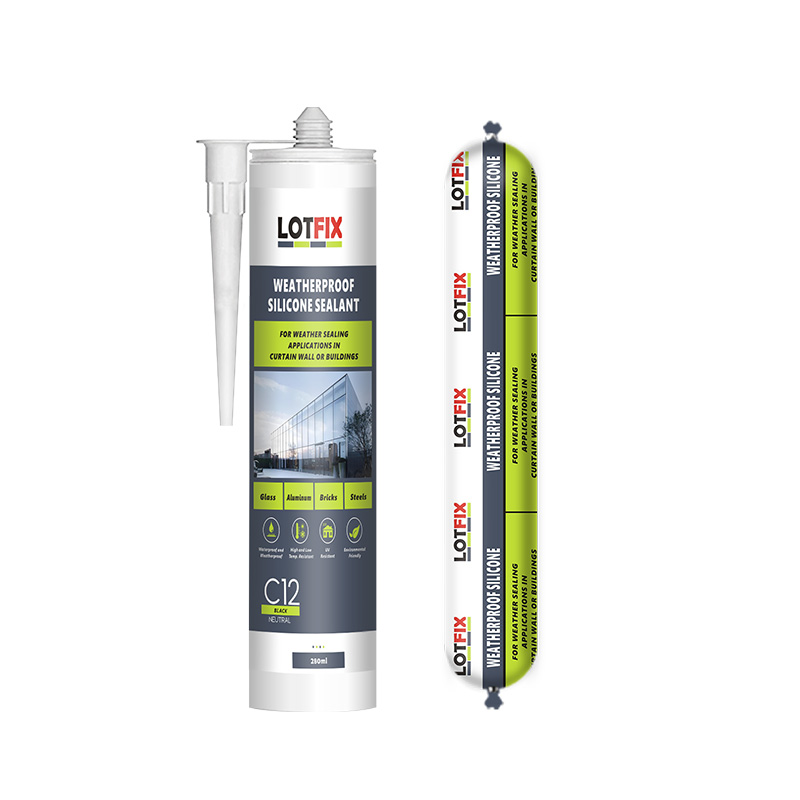
Silicone sealant should be used for wet, flexible, non-porous, and weather-exposed joints. It is commonly used in bathrooms, kitchens, sinks, bathtubs, showers, glass joints, metal frames, ceramic tiles, windows, doors, and exterior gaps.
| Application | Why Silicone Sealant Fits | Use Reminder |
|---|---|---|
| Bathrooms and kitchens | Silicone sealant resists moisture and remains flexible around wet joints. | Use sanitary silicone where mildew resistance is needed. |
| Glass, metal, and ceramic | Silicone is often suitable for non-porous surfaces and flexible sealing. | Choose neutral cure silicone for sensitive metals or cement-based materials when needed. |
| Windows and doors | These joints may face movement, rain, sunlight, and temperature change. | Exterior-facing joints usually need weather-resistant silicone or hybrid sealant. |
| Exterior weather-exposed gaps | Silicone can resist weathering, moisture, and joint movement better than many indoor caulks. | Check UV resistance and substrate compatibility before use. |
Silicone sealant is not normally chosen when the surface must be painted afterward. Its value is flexibility, waterproofing, and long-term sealing in wet or exposed areas.
Polyurethane sealant should be used when the project needs stronger adhesion, abrasion resistance, impact resistance, and paintability. It is often selected for concrete joints, door and window frames, industrial floors, traffic areas, construction gaps, and heavy-duty sealing.
Concrete and masonry joints: suitable when adhesion and mechanical strength matter.
Industrial floors: useful where abrasion, load, or traffic exposure may occur.
Paintable construction joints: often more suitable than silicone when coating or painting is required.
Heavy-duty gaps: useful for projects that need stronger bonding and toughness.
Polyurethane sealant is not the same as silicone sealant. Silicone is often stronger in UV resistance, weathering, and wet-area flexibility, while polyurethane is often stronger in bonding, abrasion resistance, and paintability. Long-term water immersion or strong UV exposure should be checked against the product’s technical data.
Sealant types differ in movement capability, UV resistance, adhesion range, hardness, paintability, and curing behavior. Movement capability can range from low-movement products around ±5% to high-performance sealants around ±25% to ±50%, depending on formula and standard classification.
| Performance Factor | Acrylic Caulk / Acrylic Sealant | Silicone Sealant | Polyurethane / Hybrid Sealant |
|---|---|---|---|
| Movement capability | Usually lower, suitable for static or limited-movement indoor gaps. | Usually higher, suitable for flexible waterproof joints. | Can be medium to high, depending on formula and project grade. |
| UV resistance | Limited for long-term outdoor exposure unless designed for exterior use. | Generally strong in weather and UV-exposed areas. | Varies by formula; hybrid products often target better exterior durability. |
| Paintability | Usually paintable after drying. | Usually not paintable unless specially formulated. | Often paintable, but technical data should be checked. |
| Water resistance | Suitable mainly for dry or low-moisture areas. | Good for wet areas and waterproof sealing. | Varies; polyurethane is not always ideal for long-term immersion. |
| Adhesion range | Common on drywall, plaster, wood trim, and painted indoor surfaces. | Common on glass, metal, ceramic, tiles, and many non-porous surfaces. | Often used on concrete, masonry, metal, wood, and construction materials. |
These values and properties vary by product grade, so professional buyers should always check the technical data sheet. The goal is not to choose the strongest sealant on paper, but to choose the type sealant that matches the joint environment.
To choose the right type sealant, match the product to the gap size, substrate material, movement level, moisture exposure, UV exposure, paint requirement, and budget. The best sealant is not always the most expensive one; it is the one that fits the joint condition.
| Project Condition | Recommended Direction | Why It Fits |
|---|---|---|
| Bathroom, kitchen, shower, sink, or bathtub joint | Sanitary silicone sealant | Better for moisture resistance, flexibility, and wet-area sealing. |
| Interior wall crack, drywall gap, baseboard, or trim joint | Acrylic caulk or acrylic sealant | Better for paintable indoor finishing and low-movement gaps. |
| Door and window frame with movement or outdoor exposure | Silicone, polyurethane, or hybrid sealant | Better for elasticity, adhesion, and weather resistance depending on substrate. |
| Concrete joint, industrial floor, or heavy-duty construction gap | Polyurethane sealant | Better for bonding strength, abrasion resistance, and mechanical durability. |
| Curtain wall, exterior facade, or mixed substrate joint | Silicone or hybrid sealant | Better for weather exposure, movement, and long-term sealing performance. |
A practical decision starts with the jobsite: Is the joint indoors or outdoors? Is the gap static or moving? Will it be painted? Will it face water, UV, traffic, or cleaning chemicals? These questions will quickly narrow the correct caulk or sealant type.
Before applying caulk or sealant, make sure the joint is clean, dry, stable, and suitable for the selected product. Surface preparation and curing time directly affect adhesion, appearance, waterproofing, and long-term performance.
Check the gap size: deep or wide joints may need backing material before sealant application.
Clean the substrate: remove dust, oil, old sealant, loose material, and water before application.
Confirm substrate compatibility: glass, metal, ceramic, concrete, drywall, wood, and painted surfaces may need different formulas.
Use masking tape when needed: this helps create a cleaner joint line on visible areas.
Allow enough curing time: avoid water exposure, painting, or heavy movement before the product has cured as required.
Read the technical data sheet: confirm movement class, paintability, curing time, service temperature, and application limits.
Correct application is just as important as choosing the correct type sealant. Even a high-performance sealant can fail if it is applied on a dirty surface, used in the wrong joint size, exposed too early, or selected for the wrong substrate.
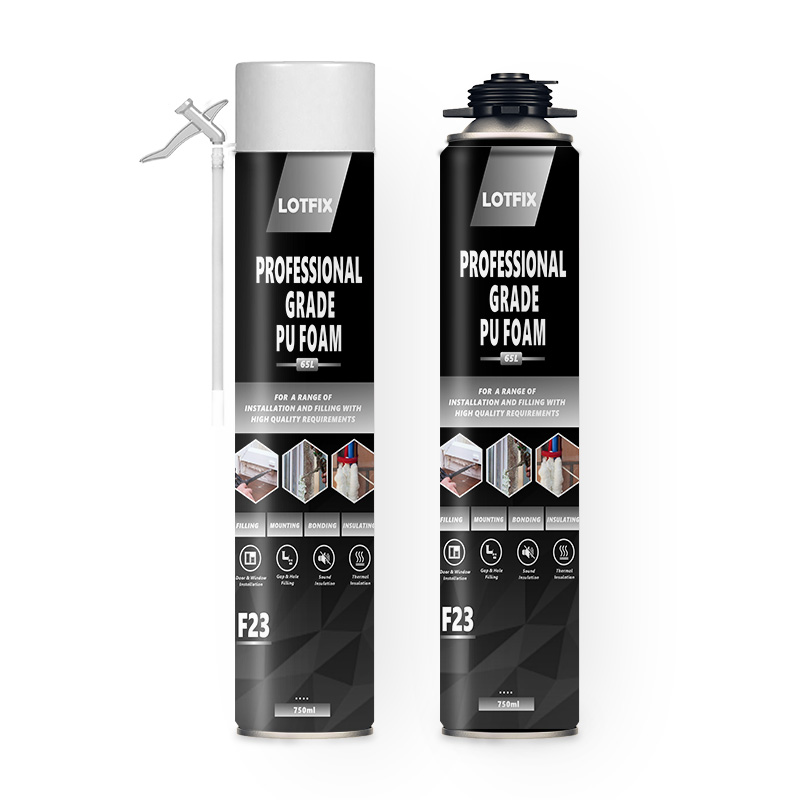
LOTFIX provides silicone sealant, acrylic sealant, PU foam, adhesive, and related construction material solutions for sealing, filling, bonding, insulation, and installation applications. If you are comparing products for bathrooms, kitchens, interior wall gaps, window frames, concrete joints, exterior gaps, or general construction projects, you can visit the LOTFIX homepage to learn more about available product categories.
If you have questions about product selection, application scenarios, or cooperation requirements, please Contact Us.